The problem
Every large construction site has CCTV. Almost none of it is ever watched. The cameras record faithfully onto a hard disk in a site office, and the footage is consulted only after something has already gone wrong — material missing from the steel yard, an accident, a dispute about when work actually happened. The watching, the part that matters, never happens, because no contractor can pay a human to stare at twelve screens around the clock.
The solution
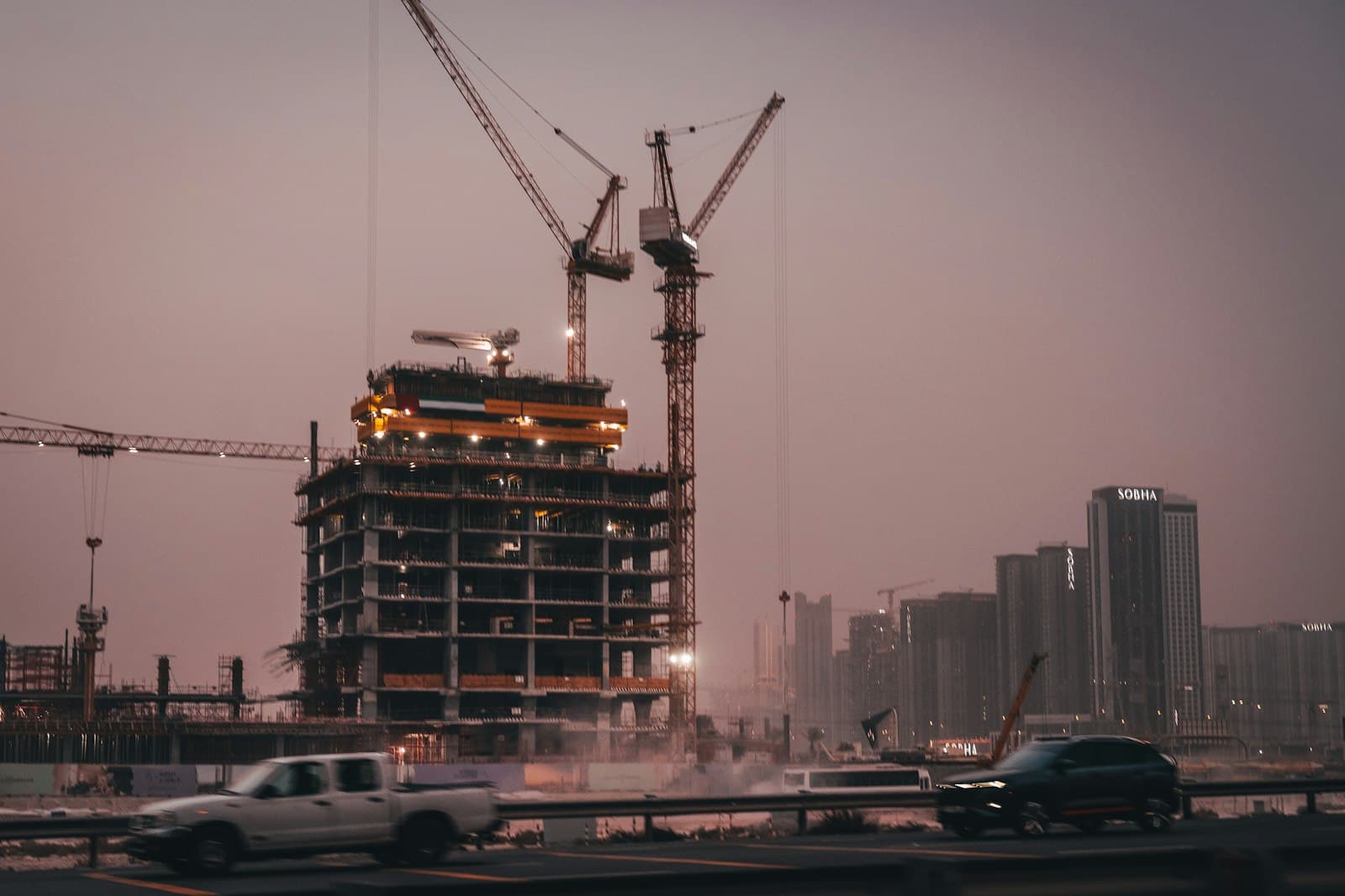
For a builder executing a major hospital-campus project in the Himalayan foothills, we made the cameras watch themselves. Software at the site decides, frame by frame, whether anything is happening at all — on a quiet camera, up to 99% of frames are discarded before costing anything, and every surviving frame is cryptographically signed at the edge so the cloud rejects anything tampered with.
Frames that matter travel to the cloud, where a fast AI reads them: who is present, what they are doing, whether safety equipment is worn. When it senses risk — a high theft score, people in the stores area after hours, a camera suddenly obstructed — a stronger reasoning model is called in to look harder, and every finding is forced through a structured schema with a 0–100 risk score. Serious findings become instant alerts: a photograph with an explanation, on the owners' Telegram and email, at 2 a.m. if that is when it happens.
The system runs in the field today, watching the steel yard, the weighbridge, the batching plant, and the work faces — and its owners now learn about problems while they are still small.